9th International Conference of the International Association for Translation and Intercultural Studies (IATIS)
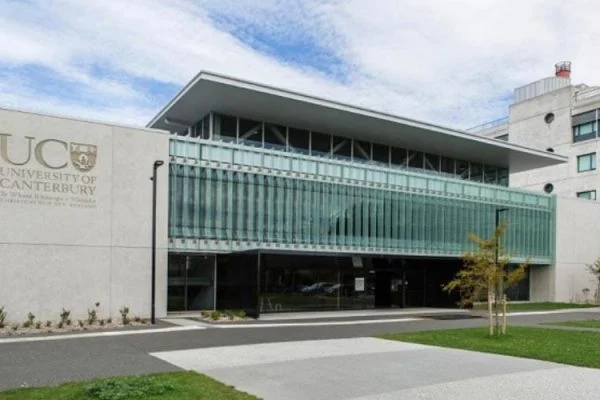
7–10 December 2027 | University of Canterbury, Christchurch, New Zealand
The International Association for Translation and Intercultural Studies (IATIS) has issued a call for contributions to its 9th International Conference, “Interculturality and Hospitality in Times of Crisis,” to be held at the University of Canterbury (Te Whare Wānanga o Waitaha) in Christchurch, New Zealand, from 7 to 10 December 2027.
The conference will bring together researchers, educators and practitioners in Translation and Interpreting (T&I) and Intercultural Studies to examine how language, hospitality and crisis intersect across professional, scholarly and social contexts.
Conference Theme
The conference takes hospitality and crisis as two interconnected conceptual and practical concerns for Translation, Interpreting and Intercultural Studies.
Hospitality has long been associated with encounters between hosts and guests, strangers and communities. At the same time, these encounters can involve conflict, exclusion and unequal relations of power. The conference also draws on the Māori concept of manaakitanga, which refers to the collective nurturing of relationships while upholding the dignity, prestige and spiritual power of those involved.
The organisers invite participants to consider how ideas of hospitality operate in contexts ranging from migration and displacement to community support and intercultural encounters. The conference also encourages critical examination of situations in which people have historically been constructed as unwelcome guests, including through colonial and decolonial perspectives.
The second major strand concerns crisis. Against the backdrop of developments in artificial intelligence, changing language policies, digital communication and global migration, the conference asks how languages and language practices respond to moments of crisis.
Translation, interpreting and interculturality are positioned at the centre of these questions because crises frequently generate situations of language contact, including through both voluntary and forced migration.
Conference Themes and Subthemes
The organisers identify two broad avenues for contributions: the multiple meanings and practices of hospitality, and the varied dimensions of crisis.
Possible topics include:
- Translation and interpreting and the guest-host dynamic
- Violence in and through translation and interpreting
- Languages in crisis
- Hospitality and crisis
- Regional and minority languages
- Data sovereignty and Indigenous languages
- Artificial intelligence, machine translation and language access in crisis situations
- Translation and interpreting in hospitality and tourism
- Translation and interpreting in regional conflicts
- Translation and interpreting in natural disasters
- Hospitality, ethics and volunteer translation
- AI-assisted translation and the sustainability of the translation profession
- Translation and non-translation of literature as forms of “hostipitality”
- Translation, interpreting, sovereignty and Indigenous knowledges
- Ethics and politics in Translation and Intercultural Studies research, education and practice
- Feminist ethics of care
- Disability Studies and the politics of language in translation and interpreting
- Linguistic preservation, lost languages and ethics
- Translation dissemination and the commons
- Language policy
The conference particularly welcomes work that engages critically with the ethical, political and theoretical implications of translation and intercultural practice.
Language Policy
Proposals for individual papers and panels must be submitted in English or Te Reo Māori and will undergo peer review. Presentations will also be delivered in English or Te Reo Māori.
Workshop proposals must likewise be submitted in English or Te Reo Māori. Workshops may include presentations in other languages, subject to the conference’s provisions. Interpreting will be provided where funding permits.
Call for Panels
Panels will form a central part of the conference programme. The organisers envisage thematic panels comprising six to 12 sessions focused on clearly defined topics within the broader conference theme.
At the panel-proposal stage, convenors do not need to provide a final list of speakers or abstracts. Successful panel proposals will subsequently be published by IATIS as thematic calls for papers, allowing interested delegates to submit contributions.
Panel convenors will review submissions to their panels, with the Scientific Committee subsequently reviewing the convenors’ selections before decisions on individual abstracts are issued.
Panel proposal deadline: 5 November 2026
Announcement of accepted panels: 20 December 2026
Submission to accepted panels: 20 March 2027
Acceptance notification: 1 June 2027
Panel proposals should include information about the convenor(s), including their affiliation, approximately 100-word bionote and contact details, together with an approximately 500-word abstract. A tentative list of speakers and subtopics may also be included.
Submissions can be made through the conference’s EasyChair platform.
Call for Workshops
Pre-conference workshops will run for a full day or half a day, provisionally on 6 December or 7 December 2027, depending on enrolment.
The workshops are intended as training and professional-development sessions, with an emphasis on developing new skills relevant to conference participants.
Workshop proposal deadline: 5 November 2026
Announcement of acceptance: 20 December 2026
Workshop registration: 5 June 2027
A minimum of two presenters is required for workshops.
Call for Artistic Initiatives
IATIS is also inviting proposals for artistic initiatives that engage with the cultures of the world and address the conference theme, “Interculturality and Hospitality in Times of Crisis.”
Proposals may explore or work across cultures and are intended to broaden the ways in which the conference theme is examined and communicated.
Submission deadline: 5 November 2026
Announcement of accepted initiatives: 20 December 2026
Call for Individual Papers
The call for individual papers will open on 20 December 2026.
Individual presentations will form part of the conference’s parallel sessions. Researchers may submit abstracts for presentation within accepted thematic panels or independently of a specific panel. The Scientific Committee may place independent submissions within an established panel where appropriate and in consultation with the panel convenor.
Individual abstract deadline: 20 March 2027
Notification of acceptance: 1 June 2027
Individual paper submissions should include:
- Presenter name and affiliation
- Approximately 100-word bionote
- Contact details
- An abstract of approximately 250 words
Key Dates
| Date | Deadline/Event |
|---|---|
| 5 November 2026 | Deadline for panel, workshop, roundtable and artistic initiative proposals |
| 20 December 2026 | Announcement of accepted proposals; call for papers and performances |
| 20 March 2027 | Deadline for individual paper abstracts and submissions to accepted panels |
| 5 June 2027 | Acceptance notifications and registration opens |
| 1 August 2027 | Early registration closes |
| 7–10 December 2027 | IATIS 9th International Conference |
The organisers also indicate that information about solidarity funds and bursaries for participants from Band 3 and 4 countries will be announced at a later stage.
Submission platform: EasyChair – IATIS9 Conference
Official conference information: IATIS 9th International Conference – Christchurch 2027


